
Introduction: Muscle Building – The Smart Way, Not the Fast Way
Every beginner dreams of transforming their body – from average to athletic, from soft to sculpted. But here’s the truth: muscle building is a marathon, not a sprint.
The good news? You don’t need steroids or extreme diets to get results. With proper training, nutrition, and recovery, you can build lean muscle naturally and sustainably backed by real science.
Step 1: Understand the Science of Muscle Growth (Hypertrophy)
Muscle growth happens when you challenge your muscles beyond their comfort zone. During strength training, you create micro-tears in your muscle fibres. Your body repairs these tears through muscle protein synthesis (MPS) – the biological process responsible for muscle growth.
Scientific Fact: According to the Journal of Applied Physiology (2019), muscle hypertrophy occurs when muscle protein synthesis exceeds muscle protein breakdown over time.
To stimulate this process, you need three key ingredients:
1. Progressive Overload – Gradually increasing resistance or volume.
2. Proper Nutrition – Supplying amino acids (proteins) and calories for repair.
3. Recovery Time – Allowing the body to rebuild stronger Fibers.
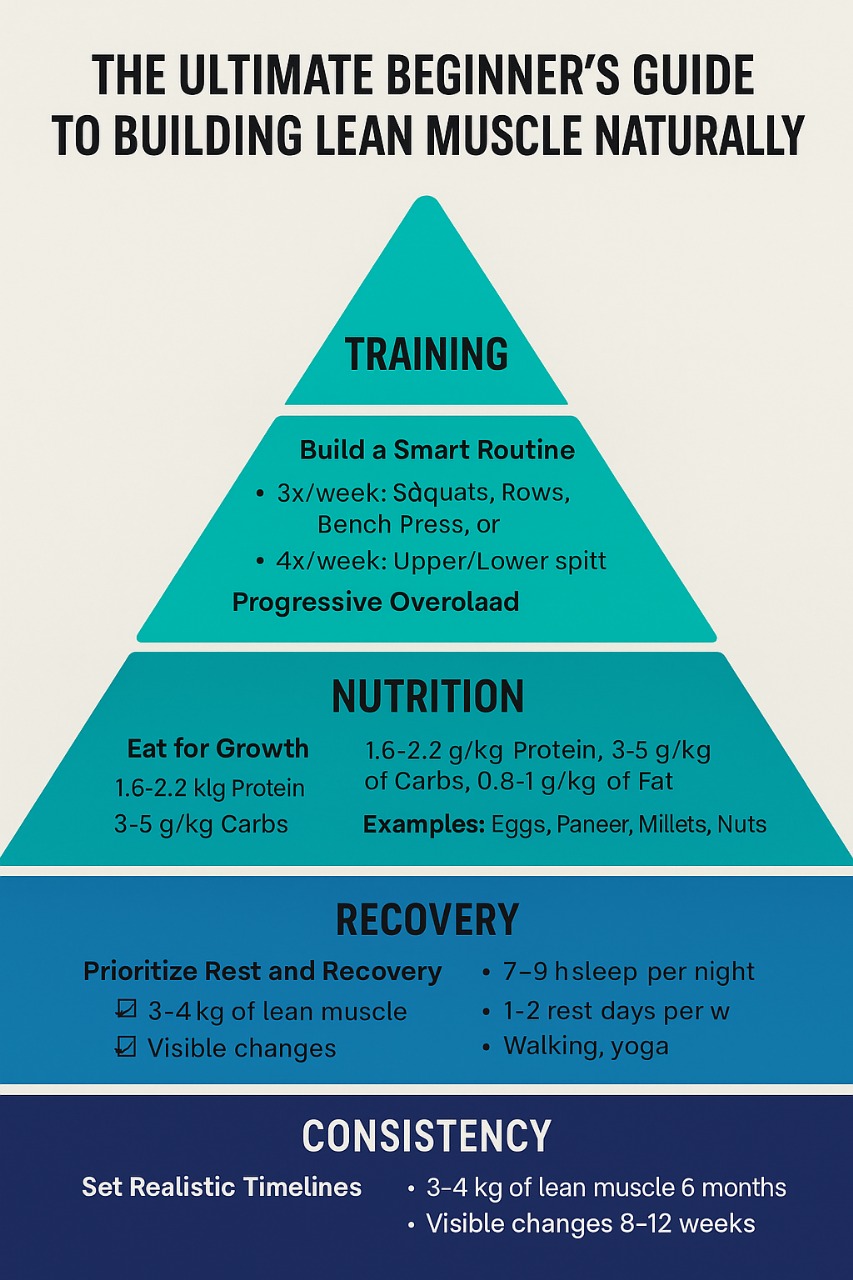
Step 2: Build a Smart Beginner Gym Routine
A structured resistance training plan is the cornerstone of lean muscle gain. As a beginner, your goal is not to “lift the heaviest” but to train consistently with good form and progressive intensity.
Ideal Beginner Split (3-4 Days/Week)
Option 1 – Full Body Routine (3x/week):
• Squats (Lower Body) – 3×10
• Push-ups or Bench Press (Chest) – 3×10
• Lat Pulldown or Rows (Back) – 3×10
• Shoulder Press (Shoulders) – 3×12
• Planks or Leg Raises (Core) – 3x30s
Option 2 – Upper/Lower Split (4x/week):
• Day 1 & 3: Chest, Back, Shoulders, Arms
• Day 2 & 4: Legs, Core, Mobility
Research Insight: A 2020 study in the Journal of Strength and Conditioning Research found that training each muscle group 2-3 times per week leads to superior growth compared to once-weekly training.
Pro Tip: Focus on compound movements (like squats, bench press, and deadlifts). They engage multiple muscles, boost testosterone response, and maximise calorie burn.
Step 3: Eat for Growth – Not Just for Calories
You can’t build muscle without fuel. Nutrition provides the raw materials your body needs for repair and growth.
Macronutrient Breakdown for Muscle Gain
• Protein: 1.6-2.2g per kg of body weight daily (American Journal of Clinical Nutrition, 2018)
• Carbohydrates: 3-5g per kg of body weight daily to restore glycogen and support workouts
• Healthy Fats: 0.8-1g per kg of body weight for hormonal balance
Example Indian Muscle-Building Foods
• Proteins: Eggs, paneer, chicken, dal, tofu, Greek yogurt
• Carbs: Oats, rice, quinoa, millets, sweet potatoes
• Fats: Nuts, seeds, olive oil, ghee, avocado
Scientific Note: Studies show that consuming 20-40g of high-quality protein post-workout maximizes
muscle protein synthesis (Sports Medicine, 2019).
Step 4: Recovery – The Hidden Key to Growth
Here’s the irony: you don’t grow in the gym – you grow when you rest.
Overtraining increases cortisol (the stress hormone), which can actually break down muscle tissue.
Recovery Rules:
• Sleep: 7-9 hours per night for growth hormone release.
• Rest Days: 1-2 days of complete rest or active recovery weekly.
• Hydration: Muscle is ~75% water; dehydration reduces performance by up to 20%.
Study Spotlight: The European Journal of Sport Science (2017) reported that athletes sleeping less than 6 hours had a 40% slower recovery rate and significantly reduced strength gains.
Active Recovery Ideas: Yoga, light cardio, walking, or stretching.
Step 5: Track Your Progress
Muscle gain is subtle and gradual. Beginners typically gain 0.5-1 kg of muscle per month (under optimal conditions).
| Experience Level | Monthly Muscle Gain | Notes |
|---|---|---|
| Beginner | 0.5–1.0 kg | Fastest progress |
| Intermediate | 0.25–0.5 kg | Slower but steady |
| Advanced | 0.1–0.25 kg | Maintenance & refinement |
Scientific Backing: Research in Frontiers in Physiology (2021) found that consistent training and nutrition over 6-12 months led to up to 12% increase in lean mass among natural trainees.
Tracking Tips:
• Use a journal or app to log weights, sets, and reps.
• Take progress photos every 4-6 weeks.
• Measure performance gains (strength, endurance, body composition).
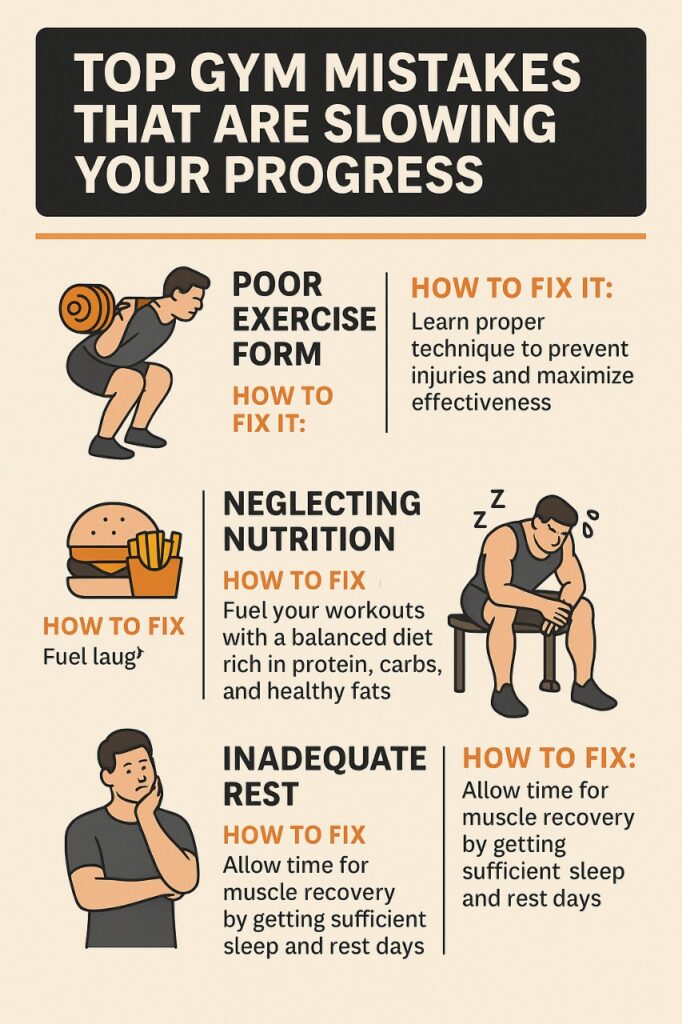
Common Beginner Mistakes to Avoid
1. Overtraining: More isn’t always better – muscles need rest to rebuild.
2. Skipping Meals: Inadequate calories = no growth.
3. Neglecting Form: Ego lifting causes injuries and stalls progress.
4. Ignoring Sleep: Sleep debt slows recovery and hormone production.
5. No Patience: Building lean muscle takes consistency – not weeks, but months.
Fact: Muscle protein synthesis peaks 24-48 hours post-exercise – meaning the benefits come after the workout, not during. (Journal of Sports Science, 2016)
Step 6: Set Realistic Timelines and Stay Consistent
Building muscle naturally takes time – but it’s worth it.
A realistic, sustainable goal for beginners is:
• 3-4 kg of lean muscle in the first 6 months (with proper training & nutrition)
• Visible toning and improved strength within 8-12 weeks
Remember, everyone’s journey is different – genetics, diet, and lifestyle all play a role.
In summary:
• Train smart with progressive overload
• Eat enough protein and calories
• Rest, recover, and sleep deeply
• Track and adjust as you grow
“Muscles don’t grow from intensity. They grow from consistency.”
I look forward to seeing how these developments will improve service levels and customer satisfaction in the freight industry!