Introduction: Why Exercise Alone Isn’t Enough
You’ve probably heard the phrase, “abs are made in the kitchen.” While that’s a cliché, it’s also backed by science. Exercise ignites the process of transformation, but without a structured fitness diet plan, your body lacks the resources it needs to recover, adapt, and grow.
According to research from the Journal of the Academy of Nutrition and Dietetics, individuals who Following structured diet plans is 60% more successful in achieving and maintaining fitness goals compared to those who rely on exercise alone.
A well-designed nutrition plan doesn’t just help you lose or gain weight – it optimizes performance, accelerates recovery and enhances body composition.
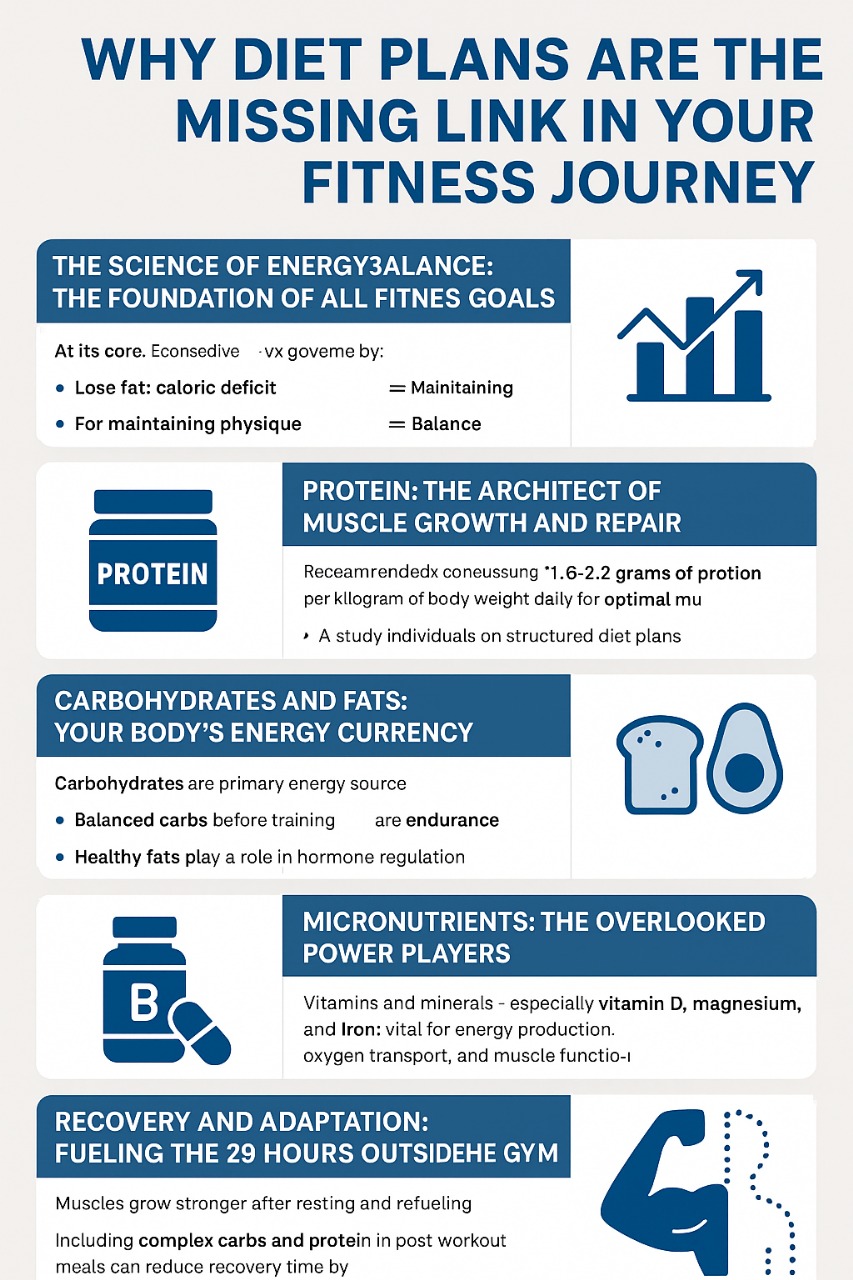
The Science of Energy Balance: The Core of Every Fitness Diet Plan
At the heart of every transformation lies one simple equation – calories in vs. calories out.
• A caloric deficit supports fat loss.
• A caloric surplus promotes muscle gain.
• And caloric maintenance sustains your current physique.
Structured nutrition ensures you fuel your workouts effectively while avoiding energy crashes or plateaus. Without this structure, your training intensity, endurance, and results suffer.
Fact: A study published in Obesity Reviews found that participants combining regular exercise with planned caloric intake achieved double the fat loss compared to those who exercised without dietary structure.
Protein Power: The Building Block of Muscle Repair
Protein is the architect of muscle recovery. When you work out, your muscles sustain micro-tears that need amino acids for repair.
Research in the American Journal of Clinical Nutrition recommends 1.6-2.2 grams of protein per kilogram of body weight daily for optimal muscle growth.
Lean protein sources like chicken, fish, eggs, tofu, lentils, and Greek yogurt provide essential amino acids that reduce recovery time and improve muscle tone.
Structured diet plans ensure your protein timing aligns with your training intensity, maximising the effects of your workouts.
Carbs and Fats: The Dual Fuel System
Your body’s preferred energy currency is carbohydrates – vital for maintaining glycogen levels during exercise. Athletes consuming balanced carbs before workouts have been shown to perform up to 20% better (Sports Medicine, 2020).
Meanwhile, healthy fats from avocados, nuts, olive oil, and salmon regulate hormones like testosterone and estrogen, both crucial for muscle growth and recovery.
A balanced fitness diet plan strategically includes the right ratio of carbs and fats to keep your body fueled, focused, and hormonally balanced.
Micronutrients: The Hidden Keys to Performance
Micronutrients might not get the spotlight, but they’re essential for every biological process that supports training.
Deficiencies in vitamin D, magnesium, or iron can cause fatigue, low endurance, and muscle cramps. The European Journal of Sport Science emphasizes that athletes with balanced micronutrient intake experience significant performance improvements and lower injury rates.
Structured nutrition ensures these vital elements are part of your daily intake, often overlooked in generic “eat clean” advice.
Recovery and Adaptation: Where the Magic Happens
Muscle growth doesn’t happen in the gym – it happens after the workout, during recovery.
Post-workout meals that combine carbohydrates and protein replenish glycogen stores and initiate muscle repair. According to the International Journal of Sport Nutrition and Exercise Metabolism, a proper post-training meal can cut recovery time by up to 40%.
A diet plan ensures your body gets exactly what it needs in the crucial recovery window – the 2-hour period post-exercise when your muscles are most receptive to nutrients.
Body Composition: The True Marker of Progress
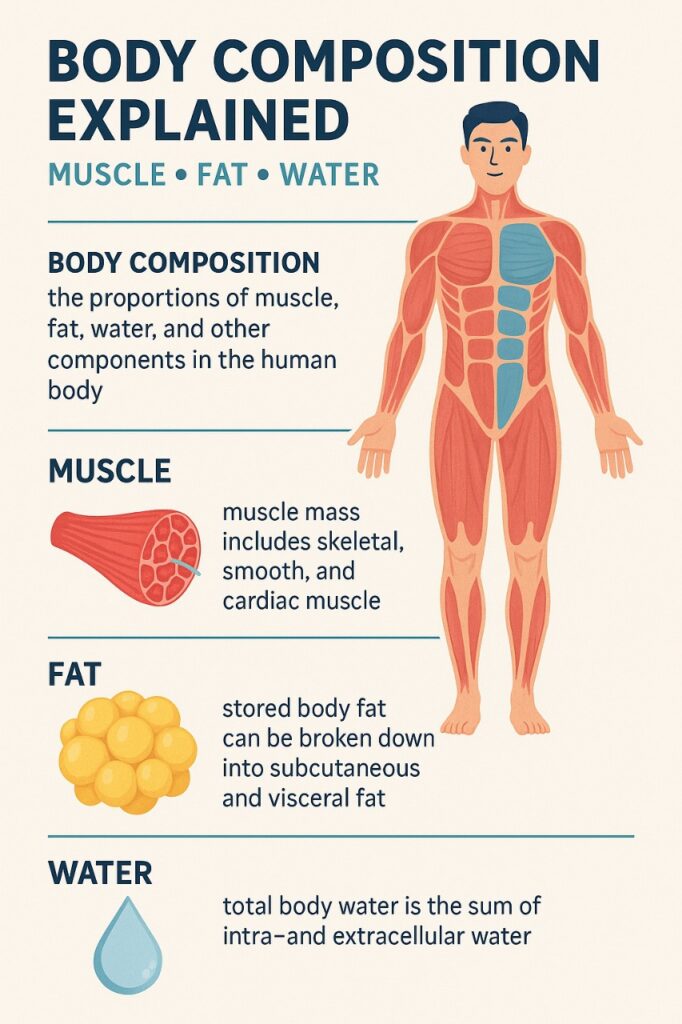
Fitness isn’t just about the scale – it’s about body composition, the ratio of muscle to fat.
A 2022 meta-analysis confirmed that individuals who followed diet plans alongside resistance training improved body composition twice as effectively as those who only exercised.
That’s the power of structured nutrition – it doesn’t just change how much you weigh, but what your weight is made of.
The Psychology of Structure: Building Sustainable Habits
Structured nutrition offers more than biological benefits – it creates mental clarity and discipline. Having a plan removes guesswork, reduces temptation, and increases accountability. Behavioural studies show that people following specific meal plans demonstrate higher consistency and longterm adherence, which are critical to success in fitness.
Consistency, not intensity, defines transformation – and a structured fitness diet plan helps you stay consistent effortlessly
Conclusion: Your Next Rep Starts with Your Next Bite
A fitness journey is a partnership between training and nutrition. Exercise stimulates change, but diet directs it.
When you adopt a structured nutrition plan, you:
• Fuel workouts efficiently
• Recover faster
• Build lean muscle
• Maintain hormonal balance
• Achieve lasting results
Remember, your body reflects not just how you train – but how you nourish it.
The missing link in your fitness journey isn’t another supplement or workout – it’s a science-backed diet plan that complements your goals from the inside out.
I look forward to seeing how these developments will improve service levels and customer satisfaction in the freight industry!